
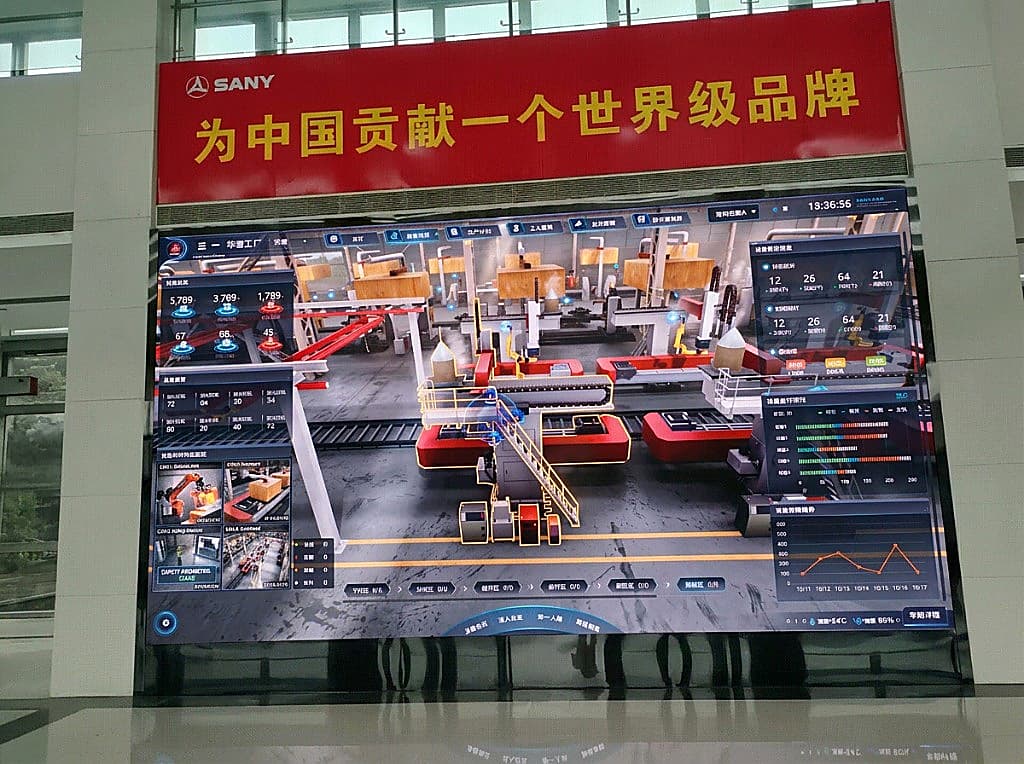
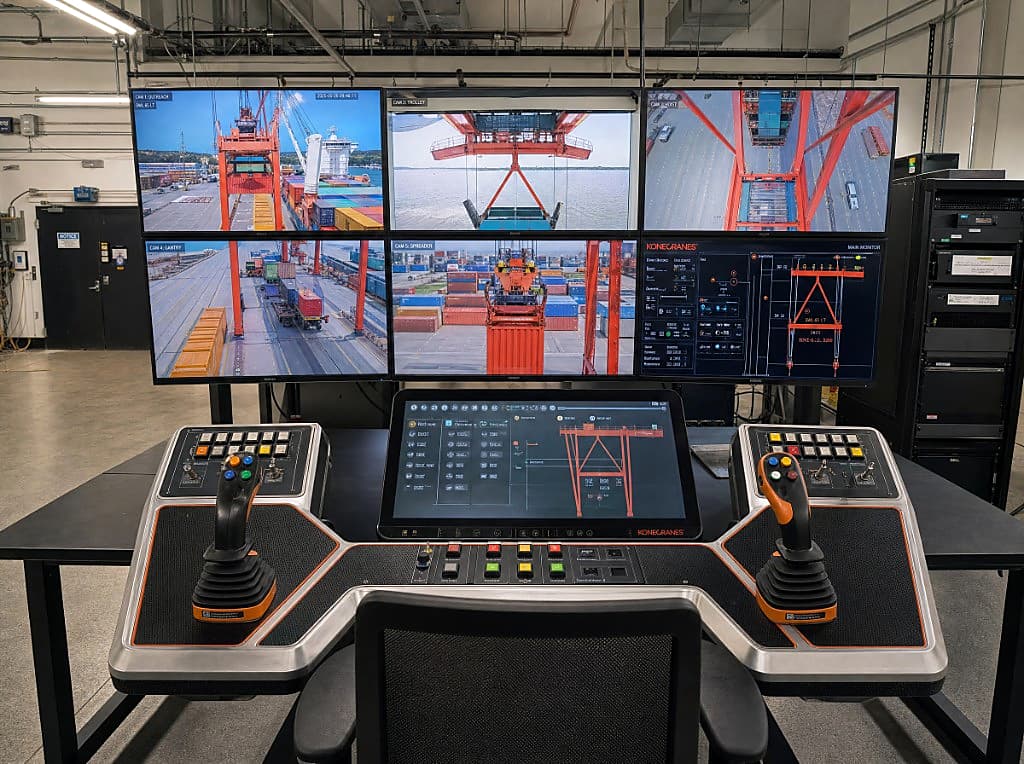
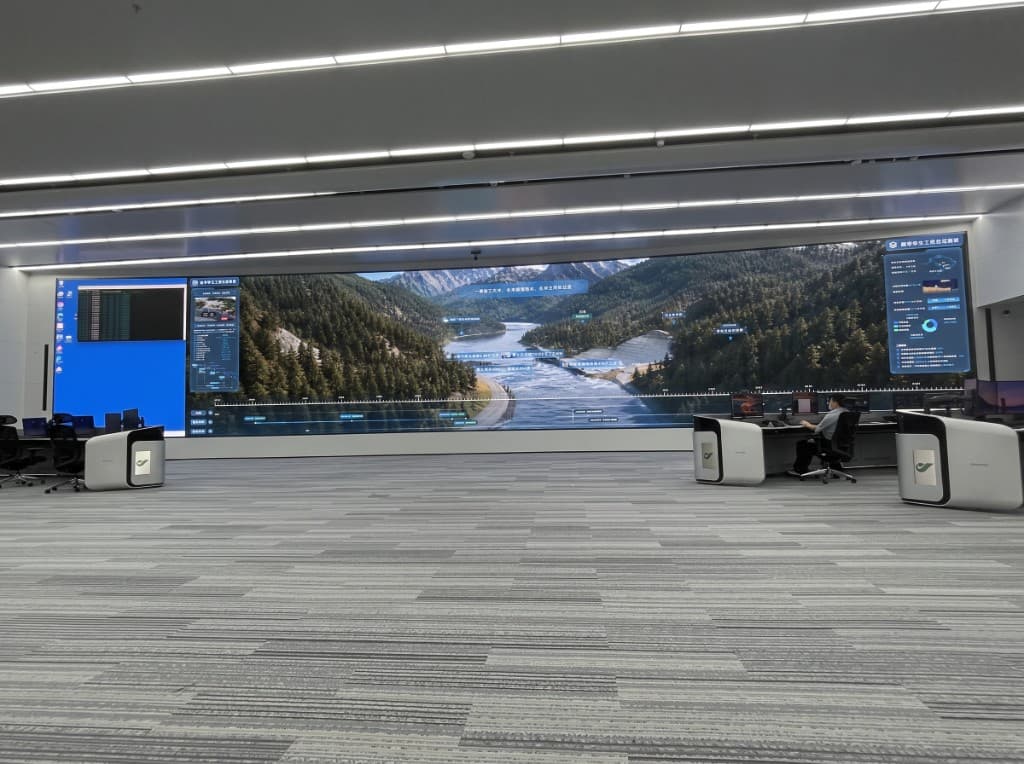
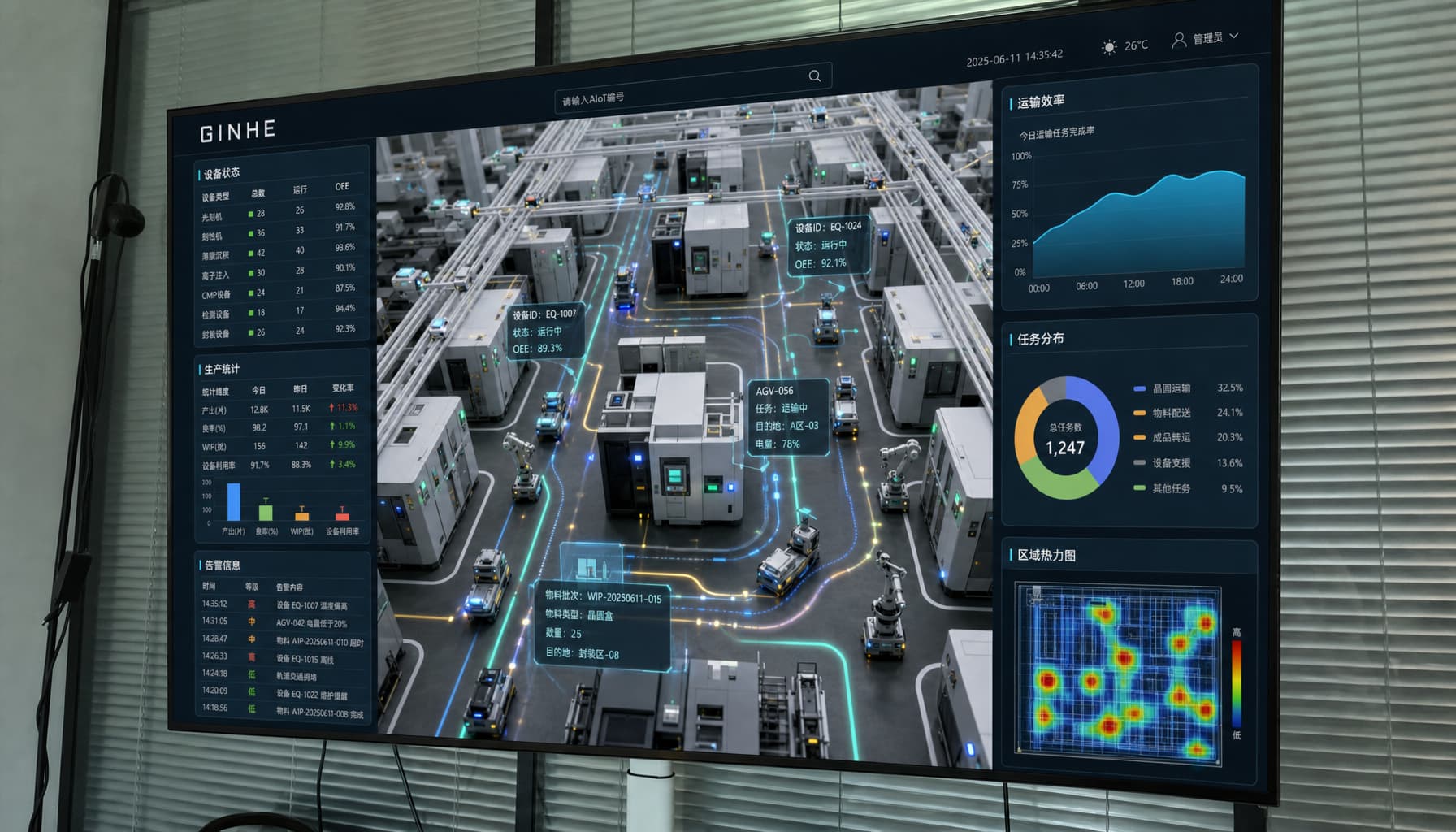
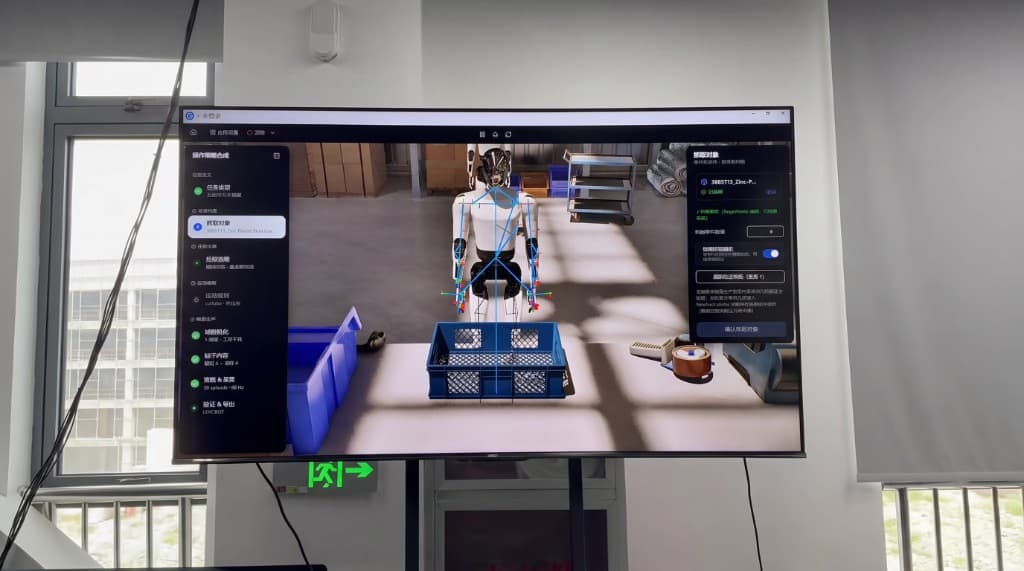
 AI-desensitized; real results subject to offline experience
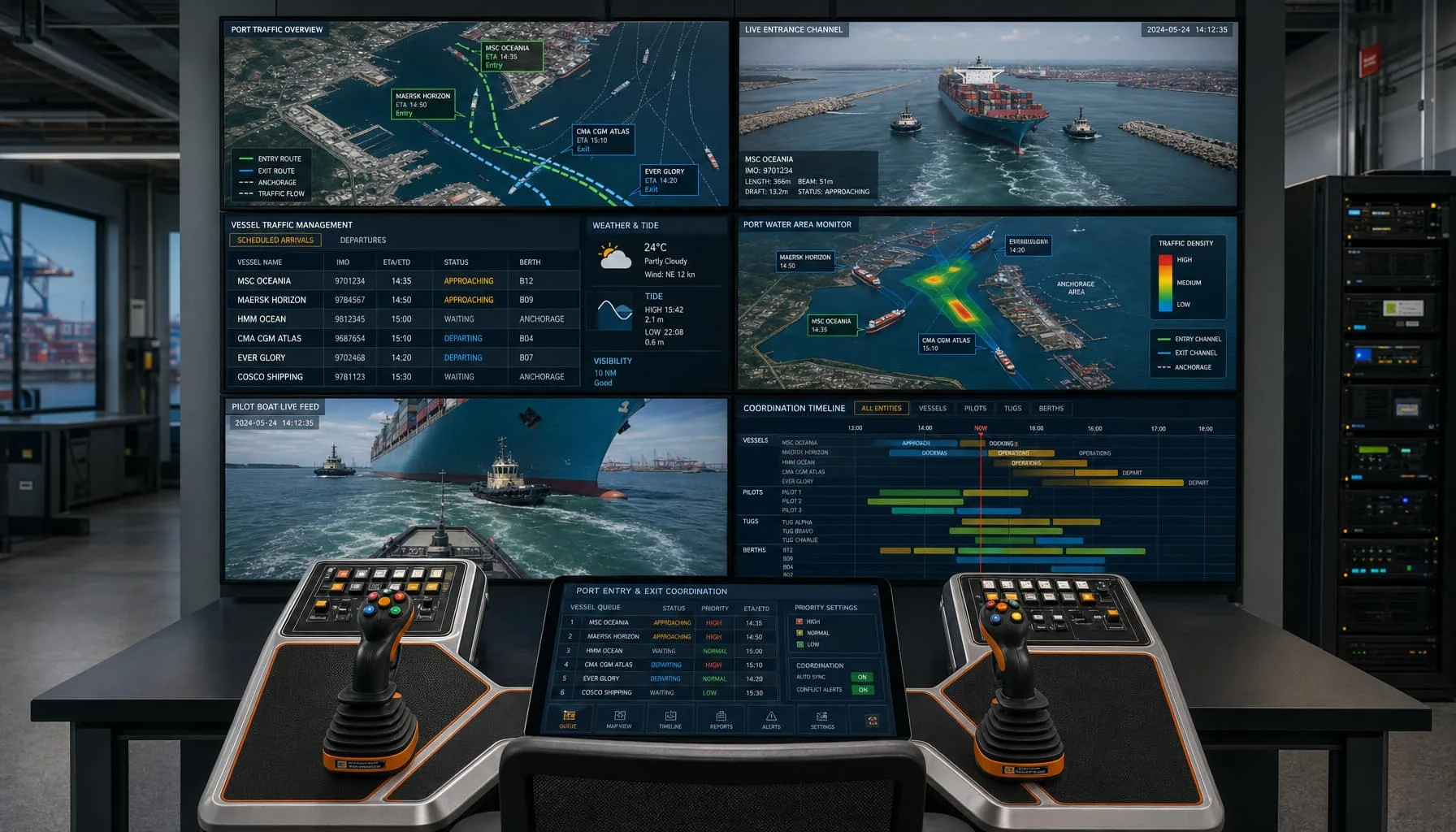
Vessel traffic coordination
Coordinate schedules, fairways, and arrival/departure cadence to cut waits and conflicts.
船舶等待、泊位空转、滞期费与碳排成本
港航协同效率直接对应等待时间与滞期成本,可视化闭环可调度而非只展示。
等待小时 滞期费率 燃油与碳排成本
从进出港协同与泊位配置切入,扩展港机维护与安全态势。
Port-shipping coordination, tug/pilotage, and yard linkage to cut demurrage and fuel cost.
AI-desensitized; real results subject to offline experience
Coordinate schedules, fairways, and arrival/departure cadence to cut waits and conflicts.
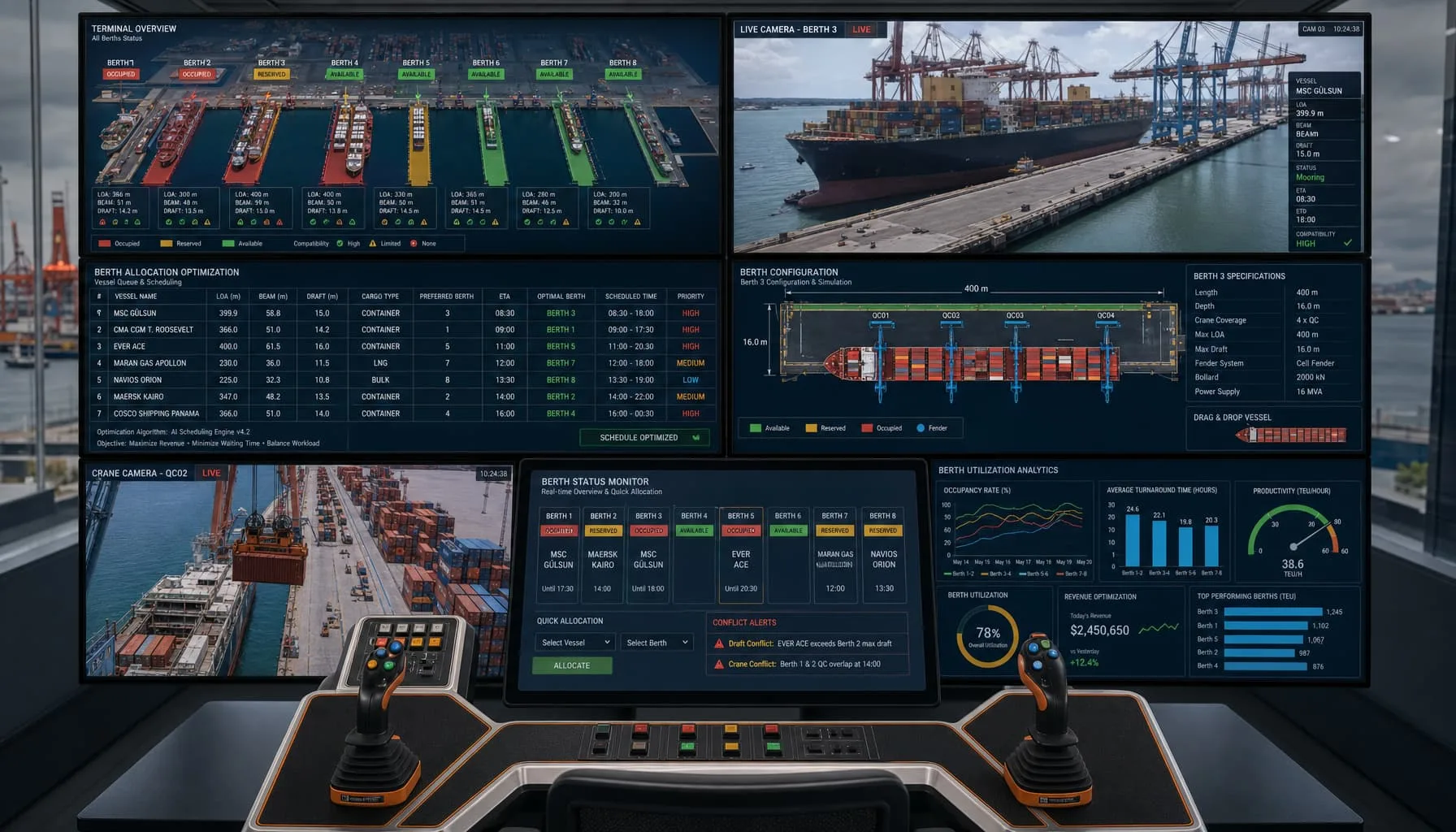 AI-desensitized; real results subject to offline experience
Reconcile berth assignment with window timing to raise utilization and cut idle time.
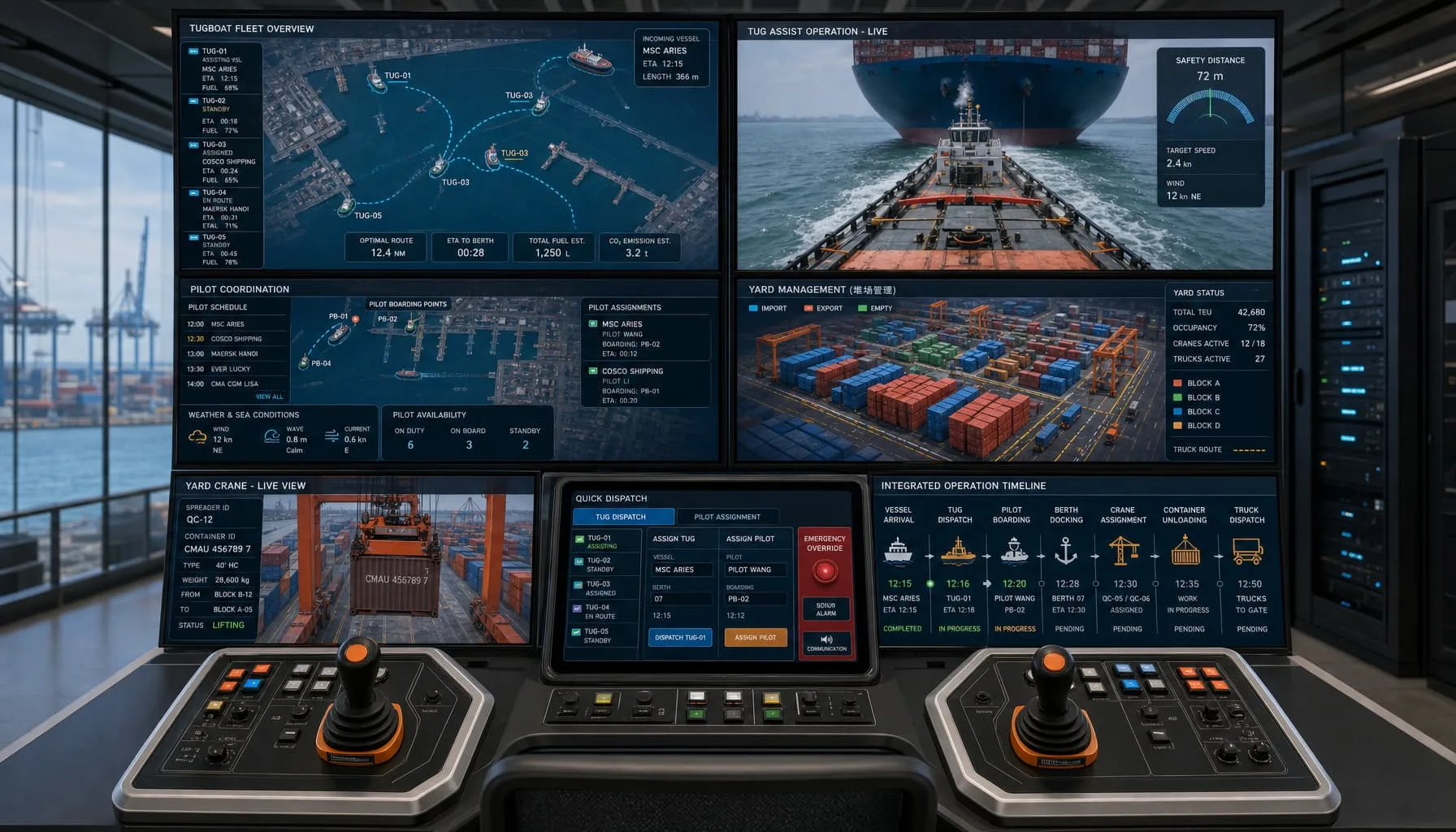 AI-desensitized; real results subject to offline experience
Link tug, pilot, and yard cadence to ease congestion and mismatched rhythm.
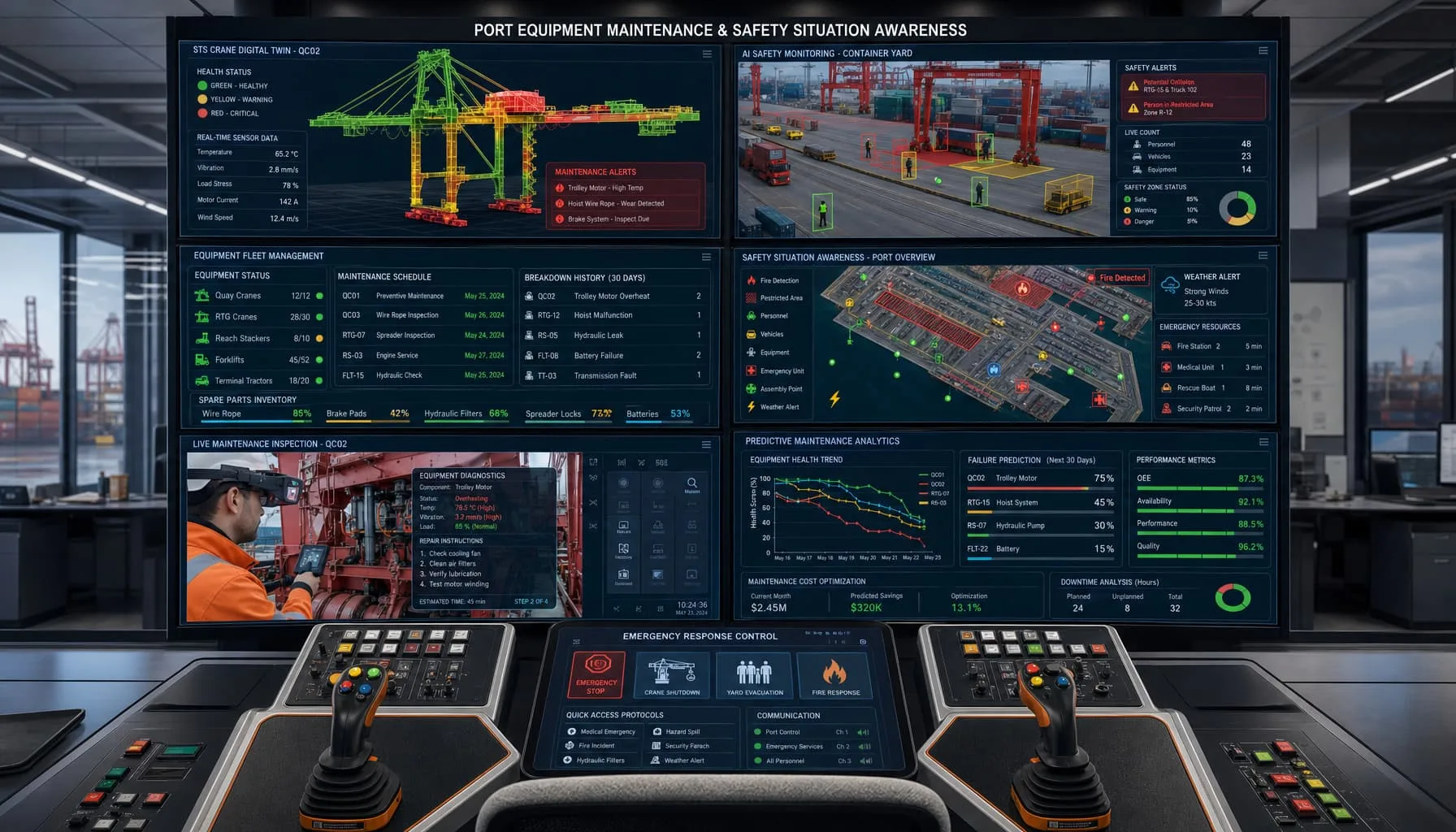 AI-desensitized; real results subject to offline experience
Unify crane status, maintenance plans, and safety posture to reduce unplanned downtime.
↓20%
Waiting time
↓
Demurrage & fuel
↑
Berth utilization
Public port-coordination pilot scale — not a GINHE project commitment.
Start with berth / traffic coordination on a berth group or sailing window.
Typical POC: 6–10 weeks.